
What’s the difference between mass produced and handmade furniture?
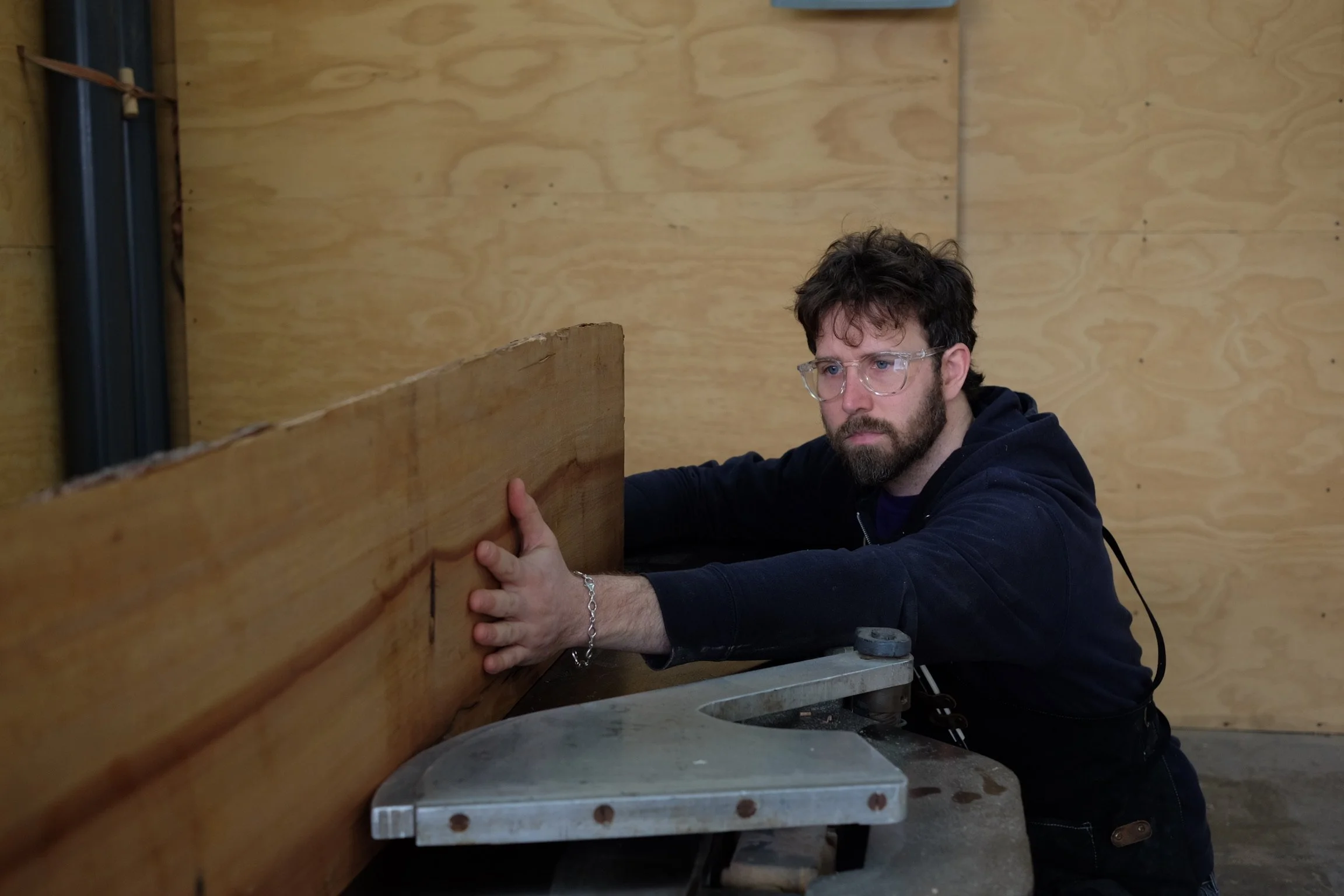
I’m David Flatow, the designer and maker behind Flatow Furniture, a custom furniture studio serving San Francisco, Berkeley, Oakland, San Jose, and Marin County.
Just the other night, I was chatting with a good friend’s wife. She’d bought a few chairs from an online store, not cheap, over $500 each. Within a short time, parts of the chairs were coming loose, and a couple had tops that were warping and even starting to come apart from the frame.
She did what you’re “supposed” to do: emailed customer service. Replacements showed up… and the replacements had the same issues.
And honestly, this isn’t the first time I’ve heard a story like this. People paying premium prices, then spending a bunch of time chasing fixes, only to end up right back where they started.
Another example: I was installing a custom built-in for a client in Mill Valley (Marin County), and they asked if I could take a look at a media cabinet they’d bought (north of $4k). The doors wouldn’t close all the way and were severely misaligned. They’d already put in hours on the phone and email with customer service. The company sent a repair tech who said a hinge was broken. Later, they sent an entire replacement cabinet… same problem.
When I took a closer look, yes – there was a broken hinge. But the bigger issue was more basic: the doors themselves were made in a way that practically guaranteed alignment and function problems. It had that “factory-made, good-enough-to-ship” feel. Maybe not true mass production, but definitely a place where speed and cost were winning over details.
Here’s another sad detail you’ve probably seen: when these stores send replacements, they often don’t even bother having you return the defective piece. And the reason isn’t generosity. It’s economics. The stuff is so cheaply made that paying for shipping and repair just isn’t worth it. So the broken one sits in your garage for a week… and then it heads to the landfill. Incredibly wasteful.
And it adds up. The EPA estimates that 12.1 million tons of furniture and furnishings were generated in U.S. municipal solid waste in 2018—and that the majority (80.1%) was landfilled.
If you’ve bought furniture online lately, you know the vibe. You land on a slick site, get the pop-up save 10–15% if you enter your email and suddenly you’re browsing furniture, lighting, rugs, … everything. It all looks great, and it’s all available to order.
What I find kind of tragic is how often you’re paying premium prices for poor build quality. A lot of what you’re paying for is the styling, the photos, the marketing, and the logistics of sourcing and scaling manufacturing. The piece can look perfect online… and then in real life, it just misses.
The surprising thing I’ve learned is that truly well-made furniture is actually pretty rare. Many of us haven’t spent much time around it. I didn’t realize how little exposure I’d had to handmade furniture until I started building it myself as a custom furniture maker in San Francisco.
Because when you’ve lived with the real thing, you notice the difference in small, daily ways:
Doors that close cleanly and stay aligned season after season (even with Bay Area humidity swings)
Chairs that feel rigid and quiet (no wobble, no mystery squeaks)
Tabletops that stay flat because the build accounts for wood movement, not fights it
Finishes that feel warm and can be renewed, rather than a thin film that chips and can’t be repaired gracefully
The hidden stuff being treated with the same care as the visible stuff (backs, undersides, interior parts finished like someone expected you to notice)
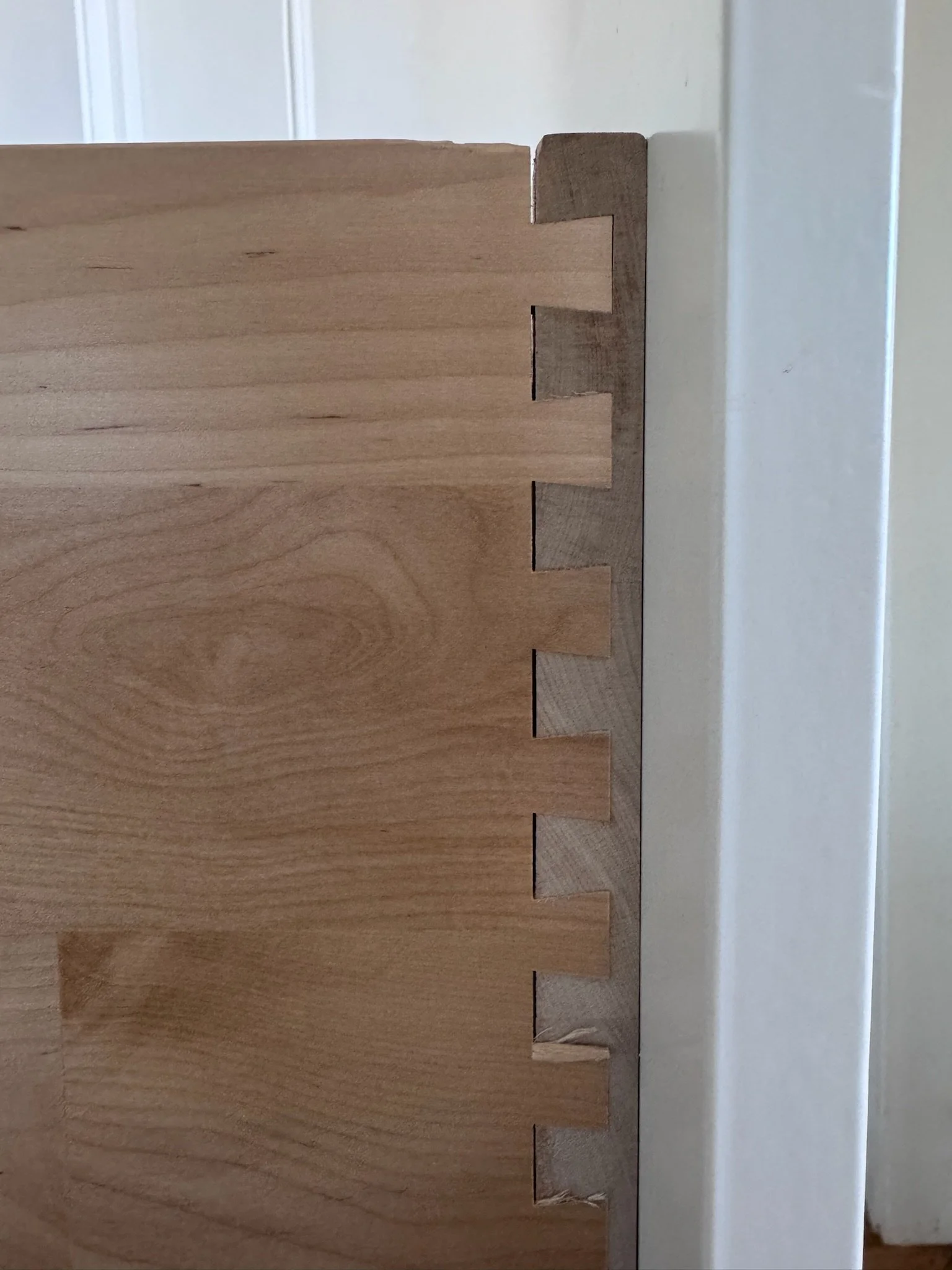
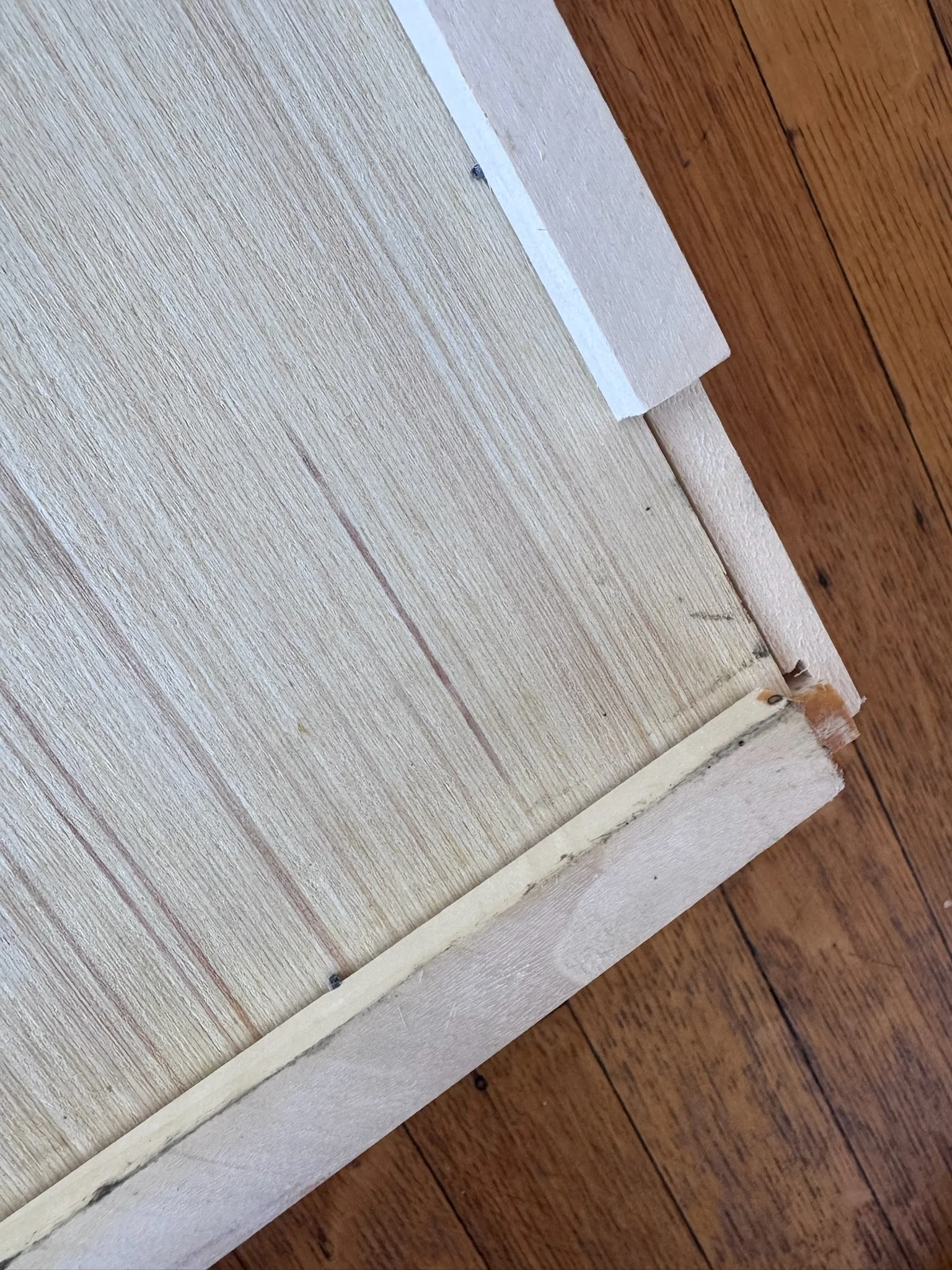
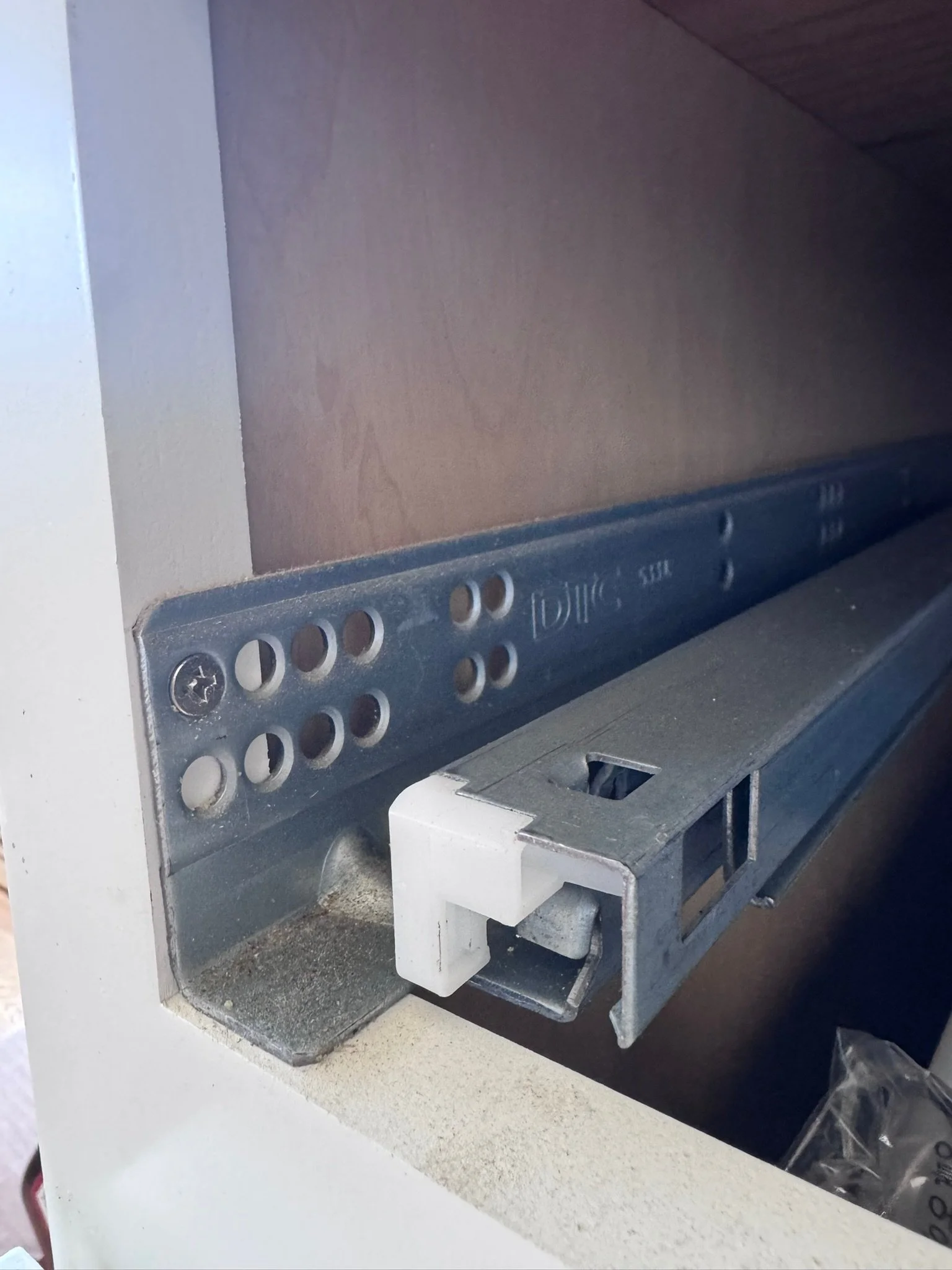
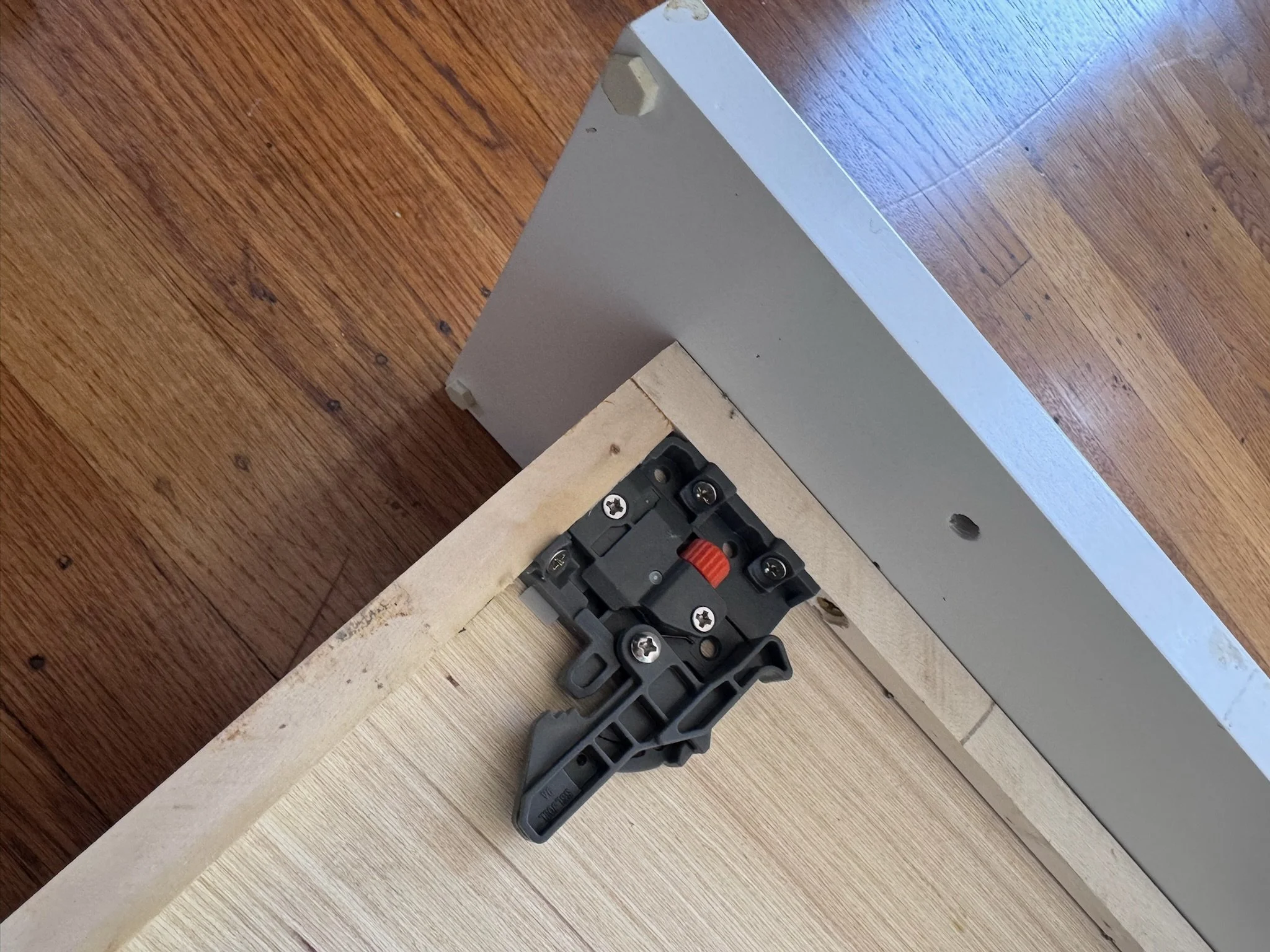
A quick example: manufactured drawer vs handmade drawer
A typical manufactured drawer often looks like this:
plywood bottom stapled or brad-nailed in
glue squeeze-out you can see (or feel)
“dovetails” with gaps, filler, or sloppy machining marks
metal slides and hardware that get noisy, loose, or finicky over time
drawer faces that don’t line up—uneven reveals that somehow you can’t unsee once you notice them
wood made from multiple stitched-together bits, selected more for efficiency than for grain or stability
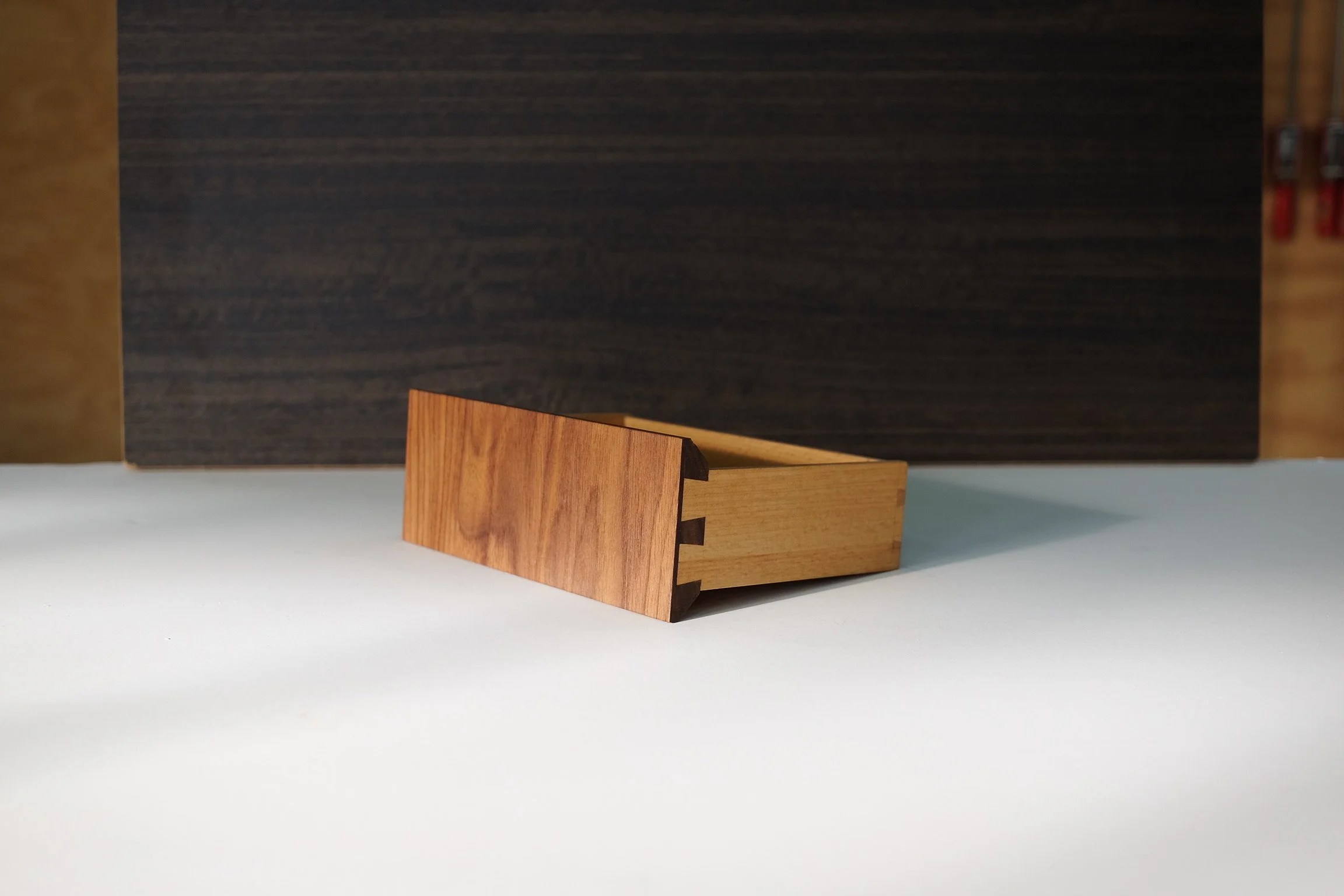
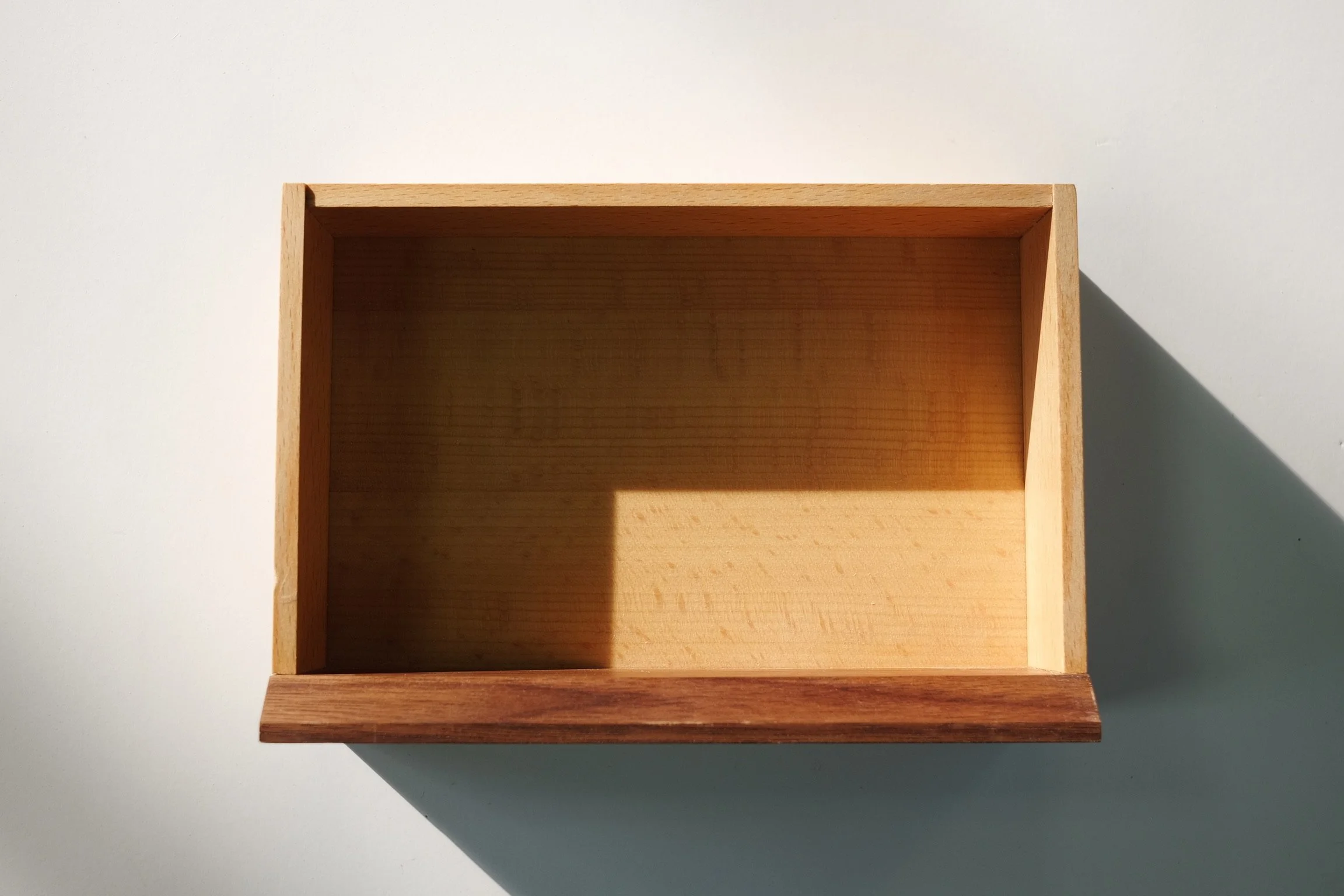
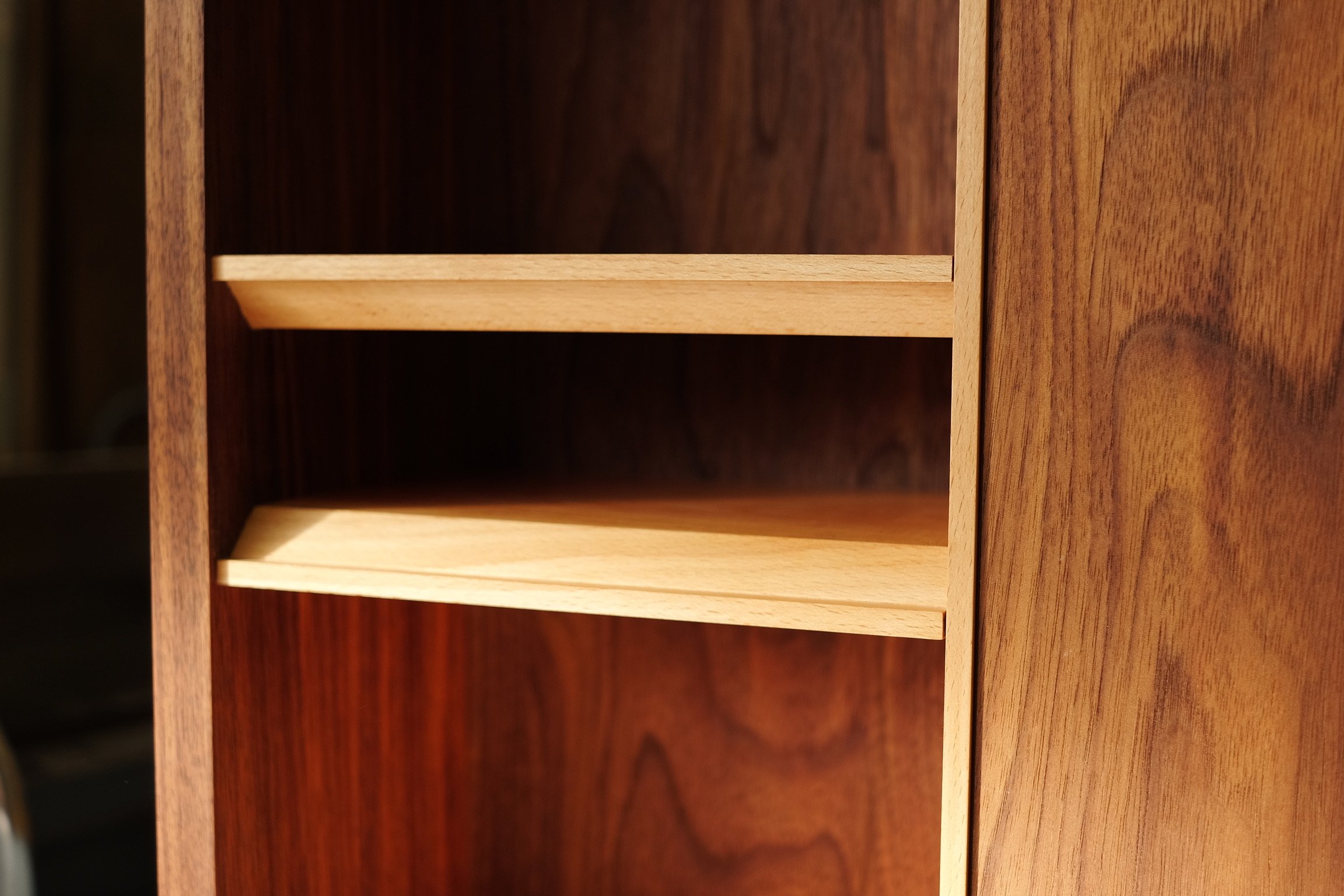
Now compare that to a handmade drawer—this is the stuff I obsess over in my handmade hardwood furniture and custom cabinetry:
tight joinery that’s actually flush and clean
careful sanding and a finish that feels good in your hand
smooth wood-on-wood sliding (waxed), with a perfect fit
consistent reveals so the whole piece looks calm and intentional
quarter-sawn stock when it makes sense—because it’s more stable over time and the straight grain is just… right
That’s the difference. Not just “handmade because that sounds nice,” but handmade because it works better, lasts longer, and feels better every single time you touch it.
If you’re in San Francisco, Berkeley, Oakland, San Jose, or Marin County and you’re curious about having something custom built, I’d love to talk.
To start the conversation:
Take a few photos of your space.
Measure the wall or area where the piece will live.
Send a brief note about what you think you need—whether it’s a custom dining table, built-in desk, armoire, media console, or “something we haven’t figured out the words for yet.”
From there, we’ll explore what a custom piece from Flatow Furniture—designed and built by me, David Flatow—could do for your home.