
The Experience of Having Custom Furniture Built for You
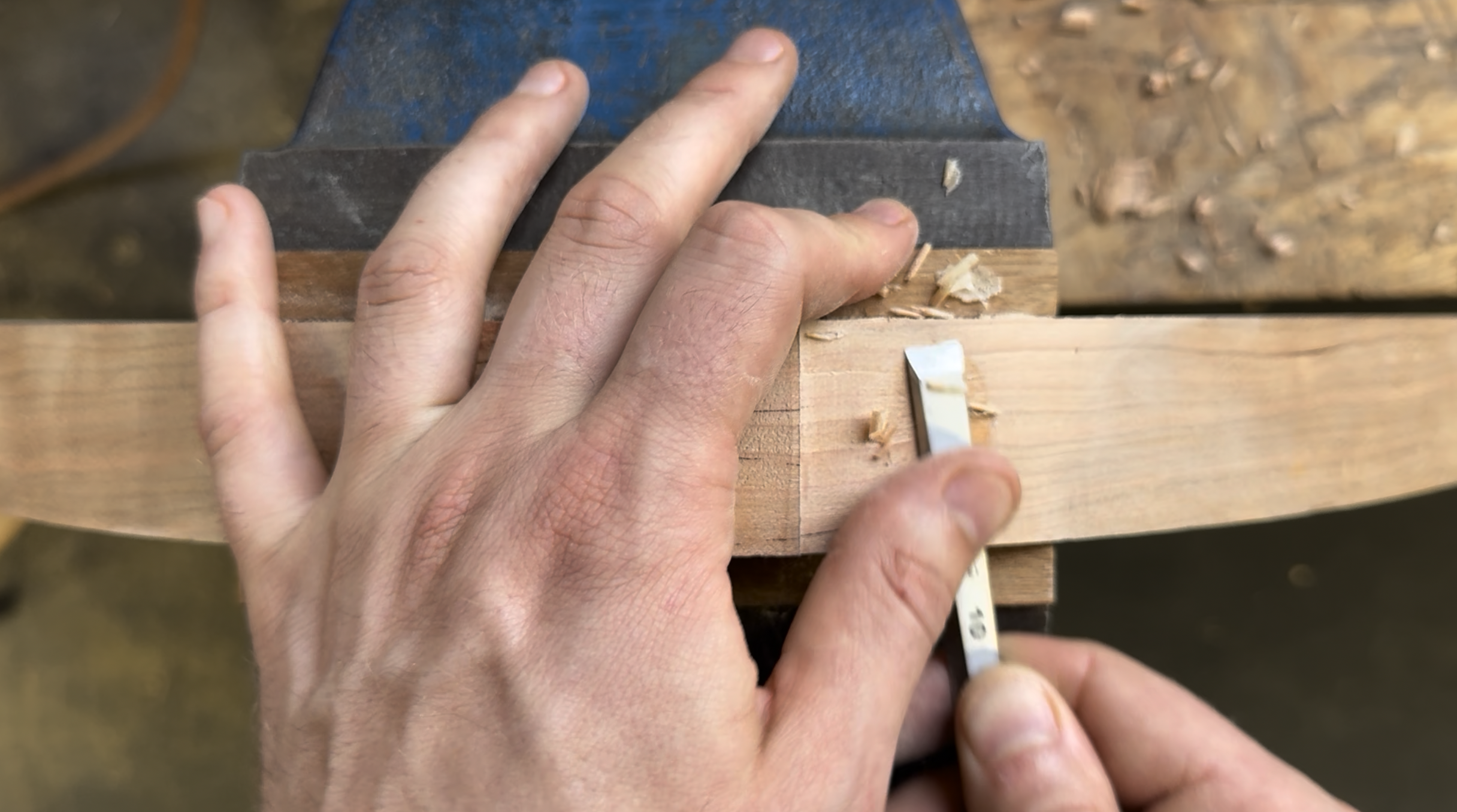
I’m David Flatow, the designer and maker behind Flatow Furniture, a custom furniture studio serving San Francisco, Berkeley, Oakland, San Jose, and Marin County.
Most people are used to buying furniture with a few clicks: pick a size, pick a color, hope it looks okay in real life, then assemble it with an Allen wrench. It’s convenient—until it isn’t.
At some point, many of my clients hit a wall:
The “perfect” dining table is always two inches too long.
The armoire they love won’t fit in their San Francisco bedroom.
The “home office desk” from a big-box store wobbles and barely fits the space.
That’s usually when they reach out and ask:
“What is it actually like to have something custom built?”
Here’s how the process works when you work directly with me, from first conversation to the day your new piece settles into your home.
Why People Choose Custom Furniture in the First Place
When off-the-shelf stops working
Most of my projects start with a very practical problem:
A custom dining table for a narrow Victorian dining room.
A custom armoire or wardrobe that fits into an alcove with tricky dimensions.
A custom built-in desk that turns an awkward corner into a real home office.
A custom media console that hides cables and gear in an open-plan living room.
Standard furniture is designed for an “average” room and an “average” person. Homes in San Francisco, the East Bay, San Jose, and Marin are anything but average.
More than “just a piece of furniture”
Custom furniture isn’t only about solving a functional problem. Many people come to Flatow Furniture because they want:
Quality they can feel every time they pull out a drawer or rest their arms on a table.
A story, not just a product—knowing who made this piece and how.
A deeper connection to their home, through objects that feel intentional and lasting.
Step 1: The First Conversation
Sometimes people arrive with a crystal-clear idea:
“I want a 7-foot walnut dining table with rounded corners and seating for eight.”
Other times (very often), they only know the general category:
“I think we need a custom dining table that really fits this space.”
“I’d love a custom sideboard or buffet cabinet for this wall.”
“We need some kind of built-in desk with shelving in this nook.”
“Could you make a custom armoire for our bedroom?”
All of those are perfect starting points.
What we talk about
In our first phone call or email exchange, I’ll ask about:
Your space – Where will this piece go? What else is around it?
Your needs – Storage? Seating? Display? Hiding clutter?
Your style – Clean and modern, mid-century inspired, warm and traditional, or a mix.
Your constraints – Budget, timeline, non-negotiables.
You don’t have to speak “design.” You can say things like:
“I want it to feel calm.”
“I hate visual clutter.”
“I love wood but not too rustic.”
My job is to translate that into a design direction.
What’s helpful to send
Before or after that first conversation, it helps if you can share:
A few photos of the room
Rough measurements of the space
Inspiration images (screenshots, links, Pinterest, etc.)
At this point, we’re already starting to shape your piece—not just “a table” or “a cabinet” in the abstract.
Step 2: From General Idea to Clear Concept
Once I understand your space and goals, I move into design exploration.
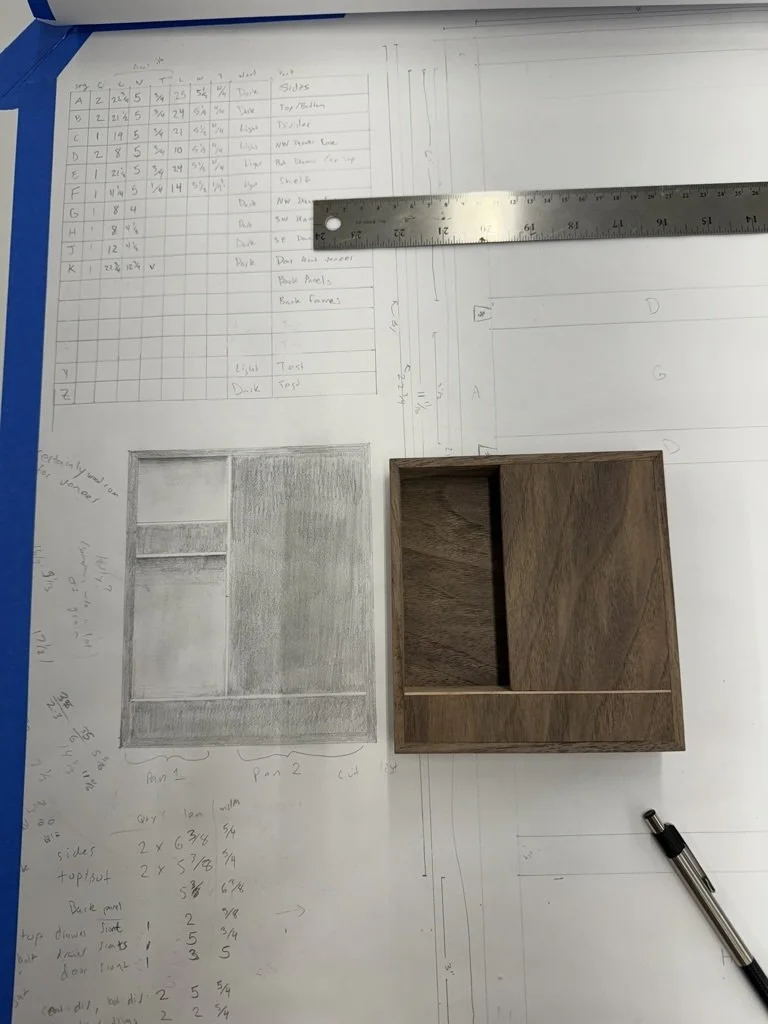
Translating ideas into form
Maybe you know you want:
A custom wall unit with open shelves on top and closed storage below.
A built-in corner desk with drawers on one side.
A low media console that floats visually and hides everything.
We’ll talk about:
Overall feel: light vs. heavy, quiet vs. bold
Practical needs: how much storage, what specifically needs to be stored
Proportions and layout in your room
Sketches, drawings, and models
I’ll create:
Initial sketches to explore different directions
Dimensioned drawings as the design becomes more concrete
When helpful, 3D models or renderings so you can really see how the piece will sit in your space
You’ll be able to react along the way:
“Can we make it lower so it doesn’t block the window?”
“I’d love softer corners so it’s kid-friendly.”
“Could we add one more drawer here?”
This is a collaboration. I design, but your life and your home are at the center of every decision.
Step 3: Choosing Materials and Details
This is often the fun part.
Wood and character
We’ll look at options like:
Walnut for a rich, modern warmth
White oak for a lighter, airy feel
Other hardwoods depending on the design and your preferences
I’ll talk you through:
How the wood’s color and grain will look in your specific room
How it will age over time in sunlight or shade
How it will relate to your existing floors and furniture
Finish and hardware
We’ll also pick:
Finish sheen (matte vs. satin)
How much of the natural grain to highlight
Hardware—statement pulls vs. minimal, integrated options, or even push-to-open doors for a very clean look
Part of my role is to explain tradeoffs: durability, maintenance, and how each choice impacts the overall feel.
Step 4: Design Approval, Pricing, and Timeline
Once the design is dialed in, I’ll send you:
Final drawings with dimensions
Material notes (wood species, finish, hardware)
A clear, fixed price and payment schedule
An estimated timeline for the build and delivery
No vague ranges, no hidden surprises—just a transparent understanding of what we’re making together.
Step 5: The Build – In the Shop with David
When you approve the design and submit a deposit, your piece enters the build queue in my workshop.
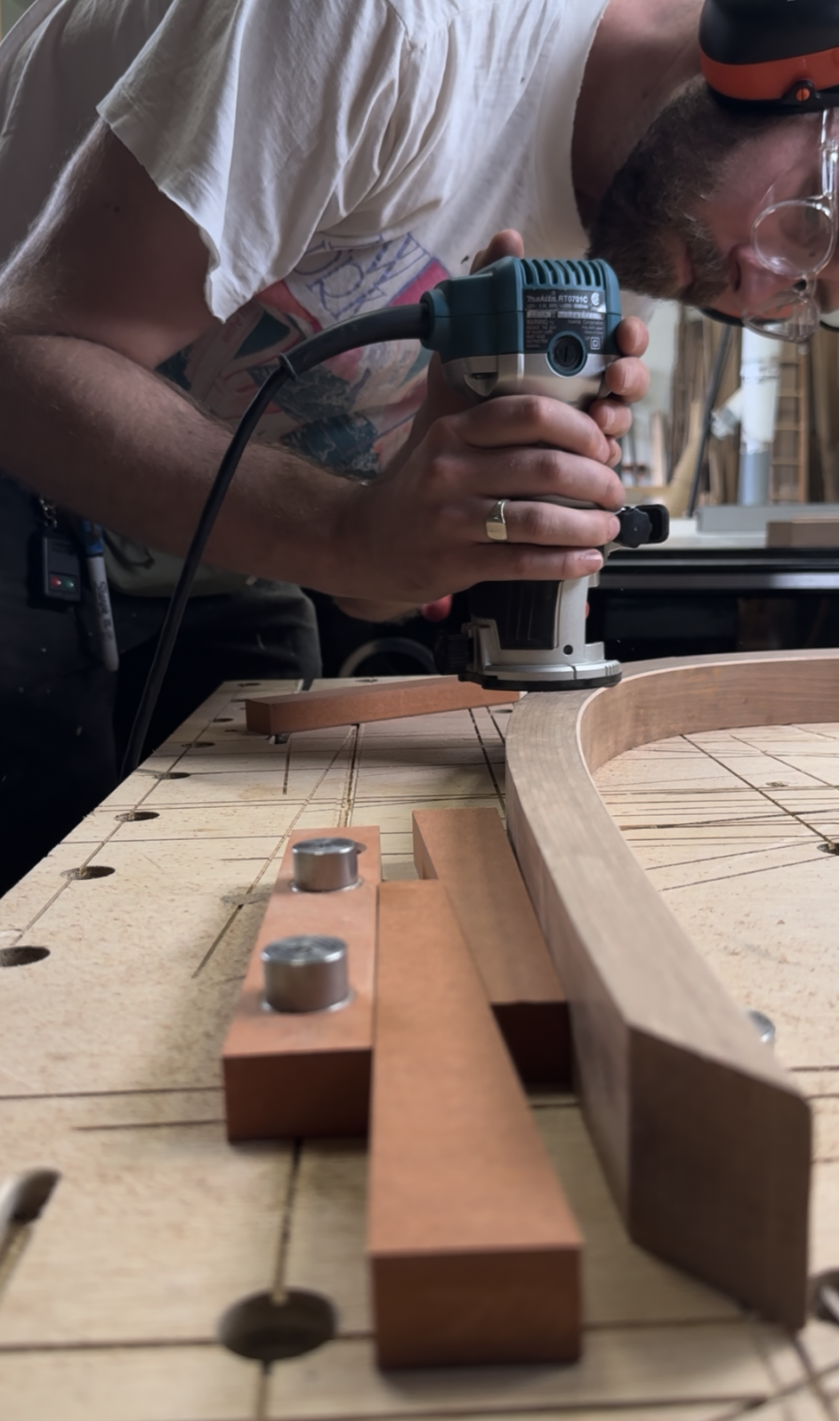
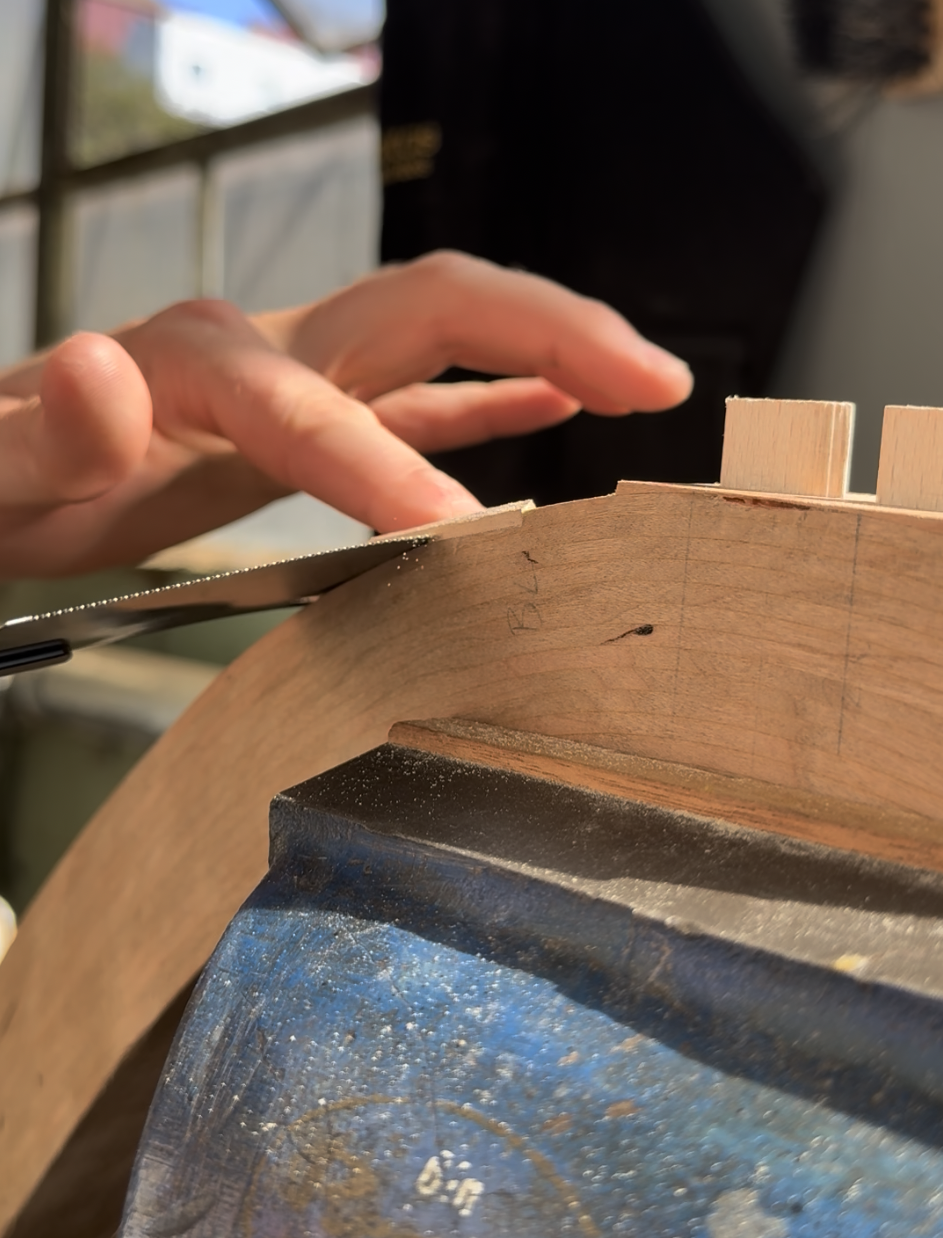
I personally build each piece myself—from rough lumber to final rub-out of the finish. There’s no anonymous factory, no assembly line. It’s just me, my tools, and your project.
Behind the scenes
The build typically includes:
Milling the lumber – Flattening, straightening, and dimensioning boards.
Cutting joinery – Using strong, time-tested methods for long-term stability.
Dry fitting – Assembling without glue to make sure everything fits perfectly.
Glue-up – Committing to the final structure.
Shaping and sanding – Dialing in edges, curves, and surfaces.
Finishing – Applying multiple coats, then rubbing out the final surface for a beautiful, tactile feel.
Staying connected
If you enjoy seeing how things are made, I’m happy to share:
Photos or short videos of key moments
A quick note when major milestones are hit
You don’t have to follow every step—but you can, if you’d like to see your custom piece come to life.
Step 6: Delivery, Installation, and Living With the Piece
Getting it into your home
Once your piece is finished and cured:
We schedule delivery or installation in San Francisco, Berkeley, Oakland, San Jose, or Marin County.
For built-ins and more complex projects, I come on-site to install and fine-tune the fit.
Final adjustments
On install day, I make sure:
Doors and drawers open and close smoothly
The piece is level, even on older, uneven floors
Any wall anchors or safety measures are properly installed where needed
Care and maintenance
Before I leave, I walk you through:
How to clean and care for your specific finish
What to avoid (harsh cleaners, standing water, extreme heat)
How to reach me if you ever have questions or want a touch-up years down the road
My goal is for the piece to feel like it has always belonged in your home—and that it will continue to belong there for decades.
Why This Experience Is Different From Buying Off the Shelf
Working with me at Flatow Furniture is different from ordering something mass-produced because:
The design is tailored to your space and your life.
You work directly with the person who designs and builds your piece.
You get a level of fit, finish, and longevity that’s hard to find in factory furniture.
Your furniture tells a story—about you, your home, and the work of a local maker.
Is Custom Furniture Right for You?
Custom furniture is often the right choice if:
You’ve already tried “good enough” and it wasn’t.
You have a specific space or need that standard furniture doesn’t solve.
You want fewer, better pieces that you’ll live with for a long time.
Mass-produced furniture still has its place—especially for temporary needs or less important pieces. Many of my clients mix both.
But for anchor pieces—a custom dining table, built-in desk, media console, armoire, or storage cabinet—custom can transform how your home looks, works, and feels.
Ready to Start a Project with Flatow Furniture?
If you’re in San Francisco, Berkeley, Oakland, San Jose, or Marin County and you’re curious about having something custom built, I’d love to talk.
To start the conversation:
Take a few photos of your space.
Measure the wall or area where the piece will live.
Send a brief note about what you think you need—whether it’s a custom dining table, built-in desk, armoire, media console, or “something we haven’t figured out the words for yet.”
From there, we’ll explore what a custom piece from Flatow Furniture—designed and built by me, David Flatow—could do for your home.
(628) 866 - 2266